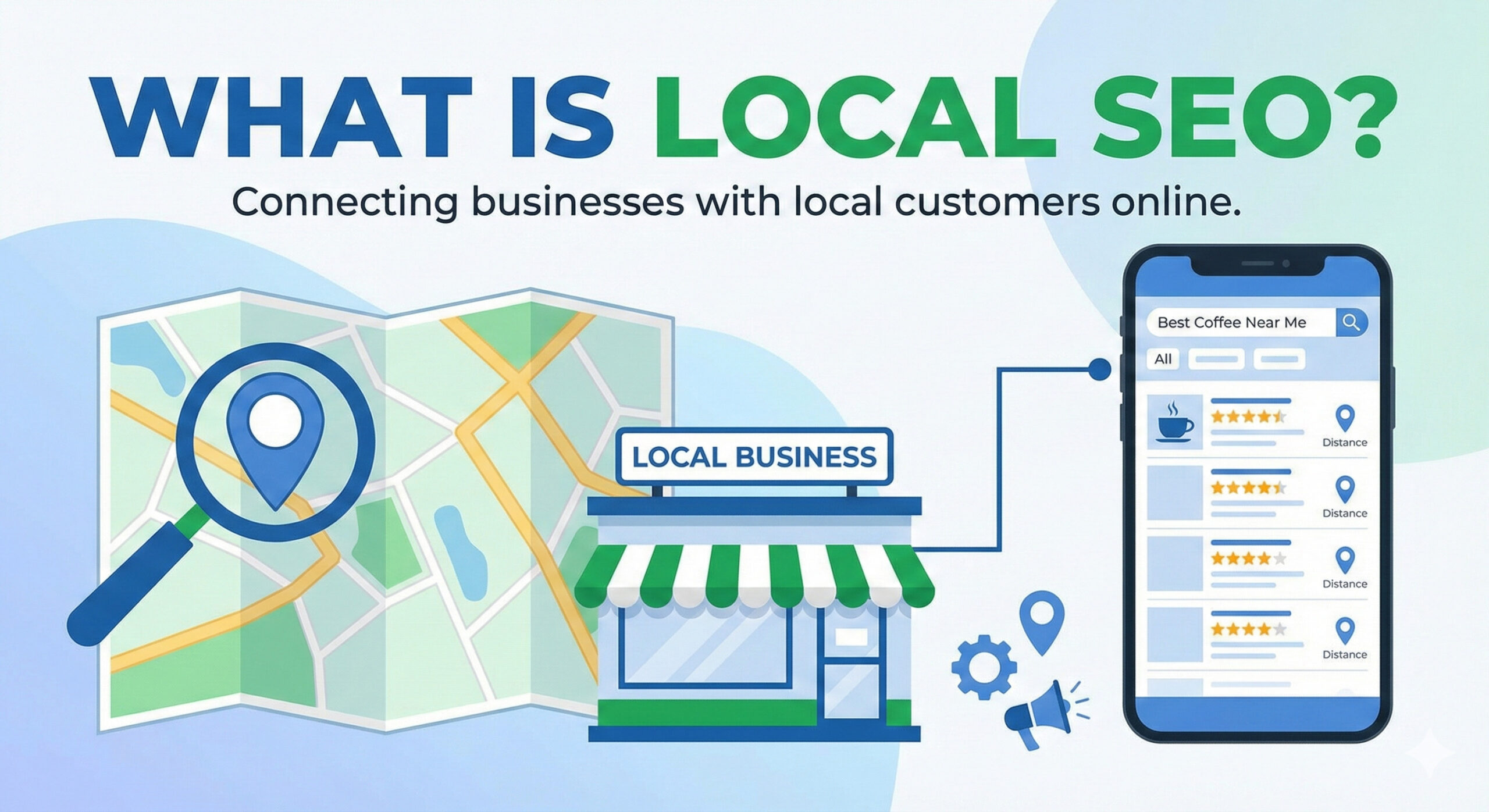

Understanding what is local SEO is crucial for any business owner in Delhi who wants to stop losing customers to the competition.
Imagine this scenario: You are in South Delhi, and you suddenly crave a pizza. You do not look for a billboard. Instead, you pull out your phone and type “best pizza near me.” Three specific restaurants pop up immediately. You check the reviews, pick one, and go.
That process is the power of Local SEO explained in action.
For any business owner—whether you run a clinic in Hauz Khas or a boutique in GK—this concept is the difference between being invisible and being found. In this guide, I will explain exactly what local SEO is, why it matters, and the strategy I use to get businesses ranked in that coveted “Map Pack.”
Simple Definition: Local SEO Explained
Local SEO (Search Engine Optimization) is the strategic process of optimizing your online presence to attract more business from relevant local searches. Unlike traditional SEO, which tries to rank a website globally, local SEO focuses strictly on ranking a physical business for a specific geographic area (like “near me” or “in Delhi”)
Why It Is Different From General SEO
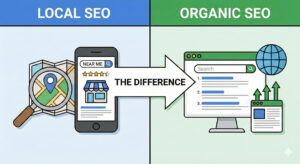
Many business owners confuse these two concepts. However, knowing the distinction is crucial for your strategy.
Organic SEO aims to rank website content for global audiences. For example, a blog post about “how to bake a cake” targets readers everywhere.
In contrast, Local SEO targets customers who are ready to buy in your city. Google understands user intent. When people search for “dentist,” they are not looking for results in New York; they want options nearby.
| Feature | Organic SEO | Local SEO |
| Goal | Rank content globally. | Rank a physical business locally. |
| Primary Tool | Website Content & Backlinks. | Google Business Profile (GBP). |
| Target Audience | Readers/Researchers. | Customers ready to visit now. |
How Google Ranks Local Businesses
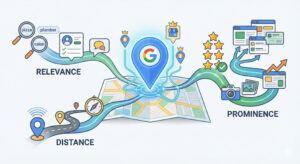
To dominate the results, you need to understand the three factors Google uses to decide who ranks #1:
-
Relevance: Does your business do exactly what the user is searching for?
-
Distance: How close is your business to the user searching?
-
Prominence: How popular and trustworthy is your business online?
Ultimately, the goal is to appear in the “Local Map Pack.” This is the block of three business listings that appears above the standard links. Data shows that over 44% of users click on these map results first.
Core Pillars of a Winning Strategy
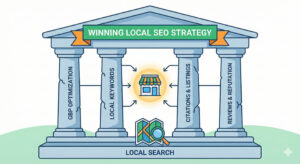
As a specialist at SharmaXtyle, I focus on three non-negotiable pillars. If you want to truly understand how local SEO works, you must master these.
1. Google Business Profile (GBP)
This is your digital storefront. Without a doubt, if you don’t have a verified Google Business Profile, you don’t exist locally. You must fill out every section, including your opening hours, services, and photos.
2. NAP Consistency
NAP stands for Name, Address, and Phone Number. Google is a robot; thus, it craves consistency. If your website says “Moti Bagh” but your Facebook says “South Moti Bagh,” Google gets confused. Consequently, your rankings drop. You must ensure your details are identical across JustDial, Sulekha, and your website.
3. Reviews and Reputation
Reviews are the currency of trust. A business with 50 reviews will almost always outrank a business with two. Moreover, you must reply to them. Replying signals to Google that you are active and care about your customers.
Why Your Business Needs Local SEO Now
If you are still on the fence, consider the statistics:
-
46% of all Google searches have “local intent.”
-
76% of people who search on their smartphones for something nearby visit a business within 24 hours.
-
28% of those searches result in a purchase.
Conclusion
Now that you have had Local SEO explained, the next step is action. It requires patience and accuracy, but the reward is a steady stream of customers walking through your door without you spending a fortune on paid ads.
Is your business invisible on the map?
At SharmaXtyle, we specialize in putting local businesses on the map—literally. Contact us today to audit your local presence and start growing.